Table of Contents
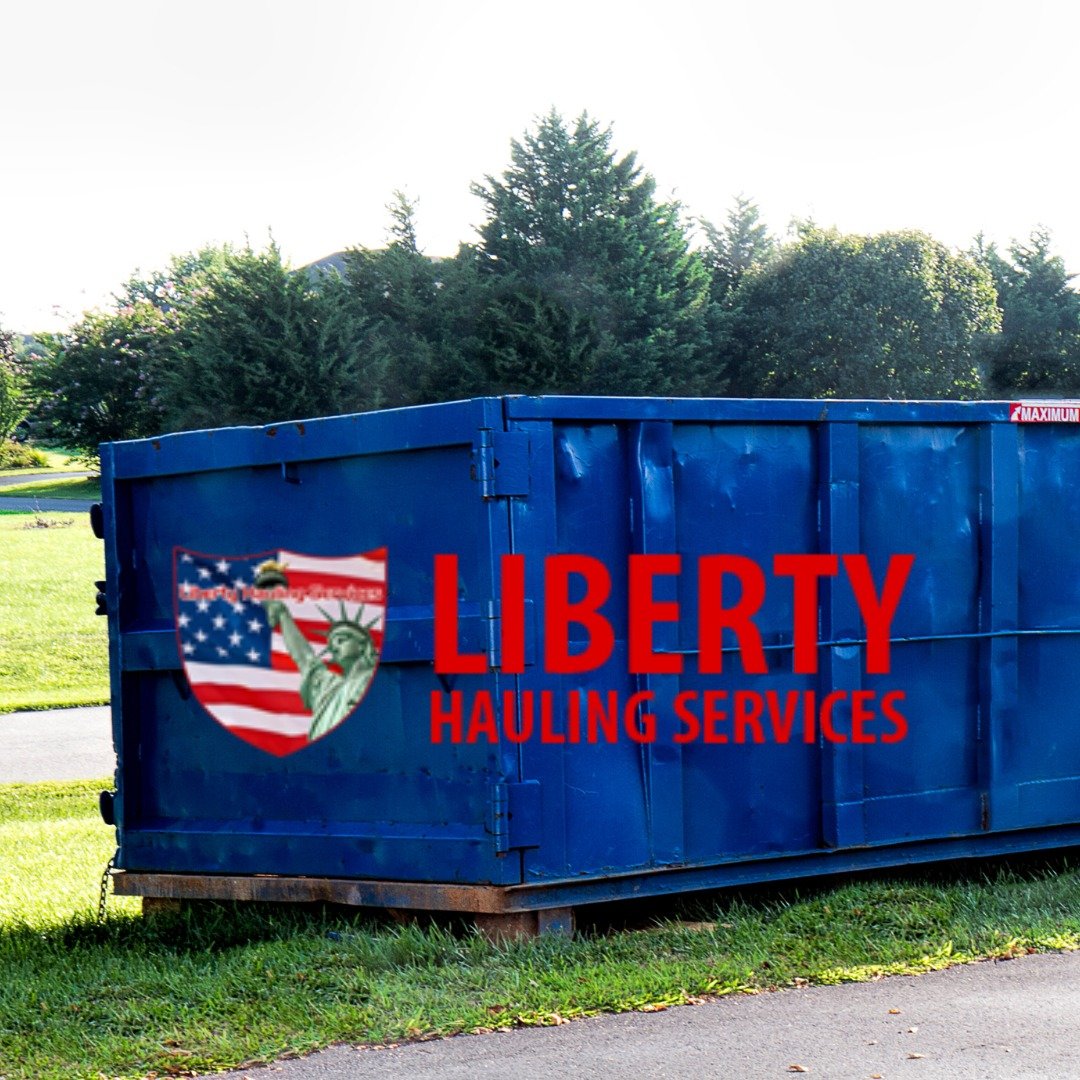
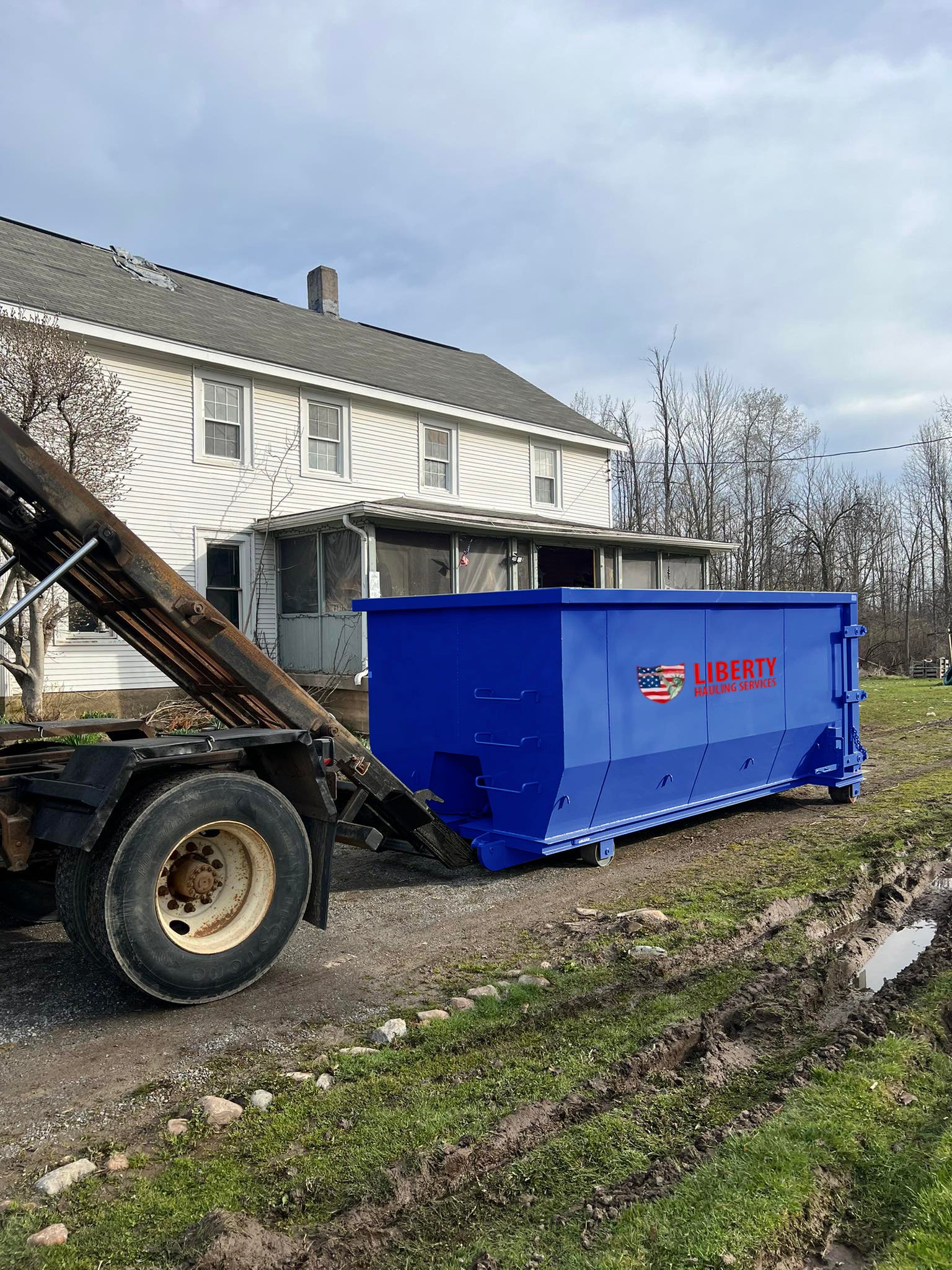
ToggleNeedless to say, roll-off dumpsters make cleanup easier. You might be handling home renovations, yard work, construction projects, and major cleanouts. The essential part includes hiring a roll-off container to handle the waste efficiently. These containers are specifically designed to hold a large amount of debris and thus help to keep your area clean and organized.
These dumpsters are convenient and ensure that your project remains on track. However, roll-off dumpsters must be used safely. Improper loading can cause accidents, injuries, damage to property, or extra fees.
Here are simple and effective safety tips to help you load a roll-off dumpster the right way.
1. Choose The Right Dumpster Size
The first step to ensure safety with a dumpster rental is choosing the right size. Always choose a dumpster that fits your project. Choosing a dumpster that is too small can lead to overloading. It will result in debris falling out or cause the container to become unstable.
The common dumpster sizes include:
- 10-yard: Best for small cleanouts and yard debris
- 20-yard: Ideal for medium-size projects
- 30-yard: Ideal for construction debris and other large projects
If unsure, choosing a slightly bigger size is safer. It helps to avoid overflow or stacking materials dangerously high.
2. Place the Dumpster on Stable, Level Ground
Before you start loading, make sure the ideal placement of the dumpster. Choose a solid, level surface. A flat driveway, concrete pad, or stable ground works best. Avoid soft soil, uneven ground, or areas with slopes.
Placing a dumpster on an unstable surface can cause it to shift, tilt, or sink, resulting in a big safety risk. Also, keep the area around the dumpster clear so you have plenty of room to move safely.
3.Load Heavy Items First
You should be careful while loading the dumpster. Always place heavier items at the bottom and spread them evenly. These may include furniture, construction debris, large branches, or broken appliances.
You can face the following issues if you place heavier items on top:
- Cause an imbalance in the dumpster
- The heavier items may fall out
- Make it harder for the truck to lift the container
4. Avoid Overfilling the Dumpster
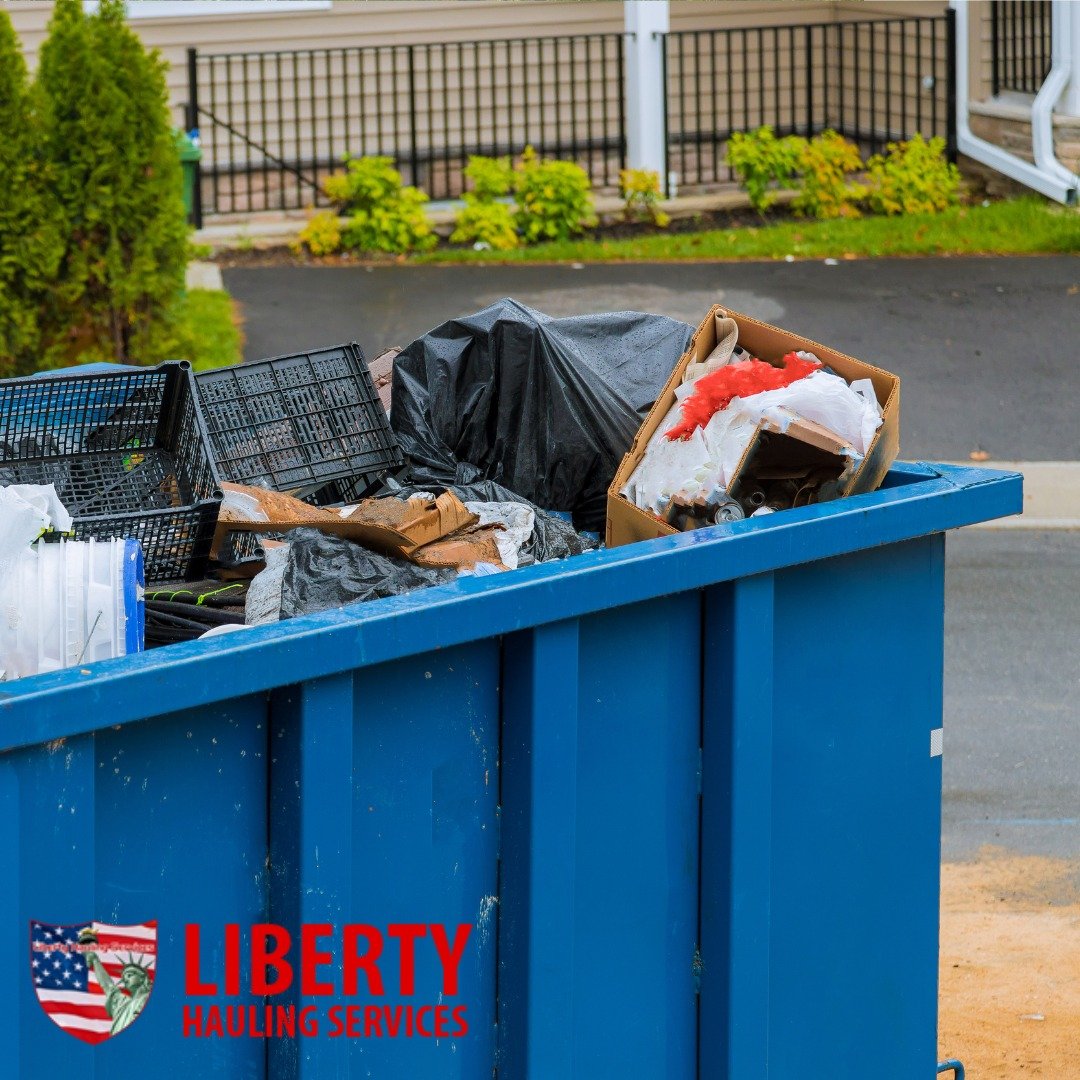
Every dumpster has a filling line. It is also mentioned in the guidelines not to exceed the maximum limit while filling the dumpster. Overfilling is unsafe as waste materials can fall off during loading or transport.
Overfilled dumpsters also:
- Create hazards for workers
- Can cause road accidents
- May result in extra fees
Try to keep the debris always below the rim. If you find yourself running out of space with a single dumpster, ask for another from the rental services.
5. Break Down Large Items
Have oversized items like furniture, boxes, or tree limbs? These should be broken down as much as possible. It will help you maintain balance and space throughout the dumpster.
By breaking materials down, you:
- Create more space
- Reduce the chance of sharp edges sticking out
- Prevent the dumpster from becoming unevenly packed
A more compact load in the dumpster ensures a safer load.
4. Wear Proper Safety Gear
You must wear proper safety gear while working around a dumpster.
- Gloves to prevent cuts
- Closed-toe shoes or boots
- Safety glasses when handling sharp or dusty items
- Long sleeves for added protection
Dumpsters often contain sharp edges, nails, and rough materials. With a proper gear, you can remain safe from injury while loading.
5. Keep Kids and Pets Away
Your children and pets will often be curious about a dumpster. However, it can cause harm, especially at the time of loading. Make sure kids and pets are far from the loading area. Falling debris, sharp materials, and heavy items make the site unsafe for them.
You can also install temporary barriers to keep your children and pets at a safe distance from the dumpster.
6. Do Not Throw Hazardous Materials Inside
Not all waste materials are allowed in the dumpster. These are commonly:
- Paint
- Chemicals
- Batteries
- Tires
- Propane tanks
- Oils
- Flammable liquids
These items can cause fires, explosions, or environmental hazards. Always ask your rental company how to dispose of hazardous materials properly.
Conclusion
So, a roll-off dumpster is the most essential while handling a cleanout or construction project. These ensure a cleaner, safer, and more organized project. However, knowing the right loading techniques is necessary. With safe disposal techniques, you can avoid injuries, prevent damage, and make disposal easy and efficient.
Need more guidance on the safe waste removal process? The professionals at Liberty Hauling Services can help. Book an appointment right away or visit us on GMB.